
Atlanta events naturally thrive on cultural diversity, with community gathering hubs fostering connections through art, concerts, workshops, and festivals. Strategic partnerships, accessible locations, adaptable spaces, and collaborative initiatives transform underutilized assets into vibrant centers. Diverse, tailored programming enhances attendee satisfaction and retention, while strong partnerships ensure long-term success and community enrichment.
In recent years, the concept of a community gathering hub has emerged as a critical component for fostering social cohesion and civic engagement. Atlanta events naturally serve as vibrant examples of these spaces, where diverse communities come together to celebrate, learn, and collaborate. However, many neighborhoods struggle to create such hubs, often due to aging infrastructure, lack of dedicated spaces, or insufficient funding. This article delves into the challenges faced by Charlotte-Mecklenburg Schools (CCSD) in Atlanta as they grapple with a $80 million school rebuild project, highlighting both the opportunities and obstacles in transforming educational facilities into integral community gathering hubs.
- Defining the Community Gathering Hub in Atlanta Events
- Identifying Needs and Locating Ideal Spaces for Gatherings
- Designing Engaging Programs and Activities for Diverse Audiences
- Building Partnerships and Sustaining the Community Hub's Impact
Defining the Community Gathering Hub in Atlanta Events

Atlanta events have long been celebrated as a vibrant tapestry of cultural diversity, where communities come together to share stories, savor culinary delights, and embrace shared experiences. At the heart of these gatherings lies the concept of a Community Gathering Hub, a physical space designed to facilitate connections, foster creativity, and enhance the overall quality of life for Atlantans. These hubs serve as catalysts for collaboration, providing a stage for local artists, musicians, performers, and artisans to showcase their talents during various atlanta weekend events.
One such example is the historic West End neighborhood, where venues like the Atlanta Historical Center and local parks become community gathering spots, hosting everything from art exhibitions to live concerts. These spaces not only celebrate the rich history of the city but also create opportunities for intergenerational connections, encouraging residents to engage with one another across age, race, and socio-economic lines. During atlanta events, these hubs often organize workshops, seminars, and cultural exchanges that promote understanding and solidarity within the community.
Moreover, community gathering hubs play a crucial role in strengthening local economies by providing venues for entrepreneurs to showcase their products and services. Farmers markets, pop-up art fairs, and food festivals become regular attractions, drawing crowds and injecting vibrancy into urban areas. According to a recent study, such events contribute significantly to the cultural capital of Atlanta, fostering a sense of belonging and civic pride among residents. For planners and organizers, leveraging these spaces effectively requires strategic partnerships with local businesses, artists, and community leaders to ensure that atlanta weekend events remain inclusive, accessible, and culturally enriching.
Identifying Needs and Locating Ideal Spaces for Gatherings
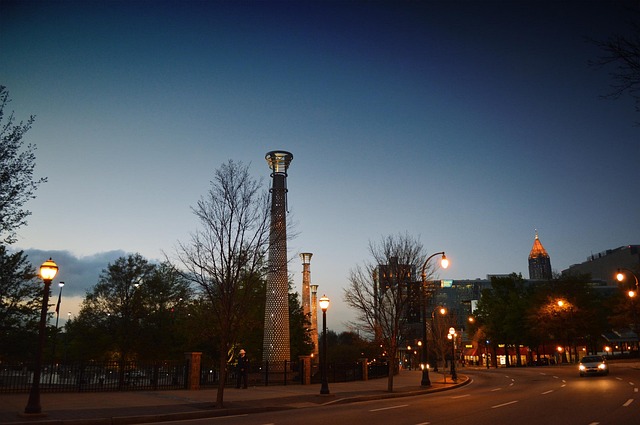
Identifying the needs of a community is the first step in creating a successful gathering hub. In Atlanta, events naturally flourish due to its vibrant cultural landscape and diverse population, highlighting the city’s ability to host everything from intimate art gatherings to large-scale music festivals. However, not all spaces are created equal when it comes to facilitating meaningful connections. To truly serve as a community hub, a location must cater to various needs: accessible transportation, ample space for different activities, and an environment conducive to both structured events and organic interactions. Consider the Atlanta BeltLine, a 22-mile trail transforming underutilized land into parks, trails, and cultural spaces. This initiative not only promotes physical activity and natural beauty but also creates numerous opportunities for community gatherings along its route, demonstrating the power of thoughtfully designed public spaces.
Locating ideal spaces for gatherings involves balancing accessibility with adaptability. Atlanta events, particularly those focused on the weekend, thrive when venues are easily reachable by foot, bike, or public transit. Spaces that double as parks, squares, or communal areas offer the added benefit of providing a neutral ground where people can connect beyond formal event structures. The Atlanta City Park system, for instance, hosts countless community events throughout the year, attracting locals and visitors alike with its picturesque landscapes and versatile amenities. Moreover, successful gathering hubs often incorporate both indoor and outdoor spaces to accommodate different weather conditions and group sizes, ensuring that events can continue uninterrupted regardless of seasonal changes or unpredictable Atlanta weather patterns.
Community leaders play a pivotal role in identifying and developing these ideal locations. Engaging with local governments, non-profits, and neighborhood associations can help uncover underutilized assets within the city. For example, abandoned warehouses or vacant lots may be transformed into pop-up markets or community gardens, fostering social interaction and a sense of ownership among residents. By embracing these spaces, Atlanta can continue to cultivate an inclusive environment where events naturally bring people together, whether it’s for a weekend art exhibit, cultural festival, or neighborhood block party. This collaborative approach not only strengthens the community fabric but also ensures that gathering hubs serve as vibrant centers for social, cultural, and economic life in Atlanta and beyond.
Designing Engaging Programs and Activities for Diverse Audiences
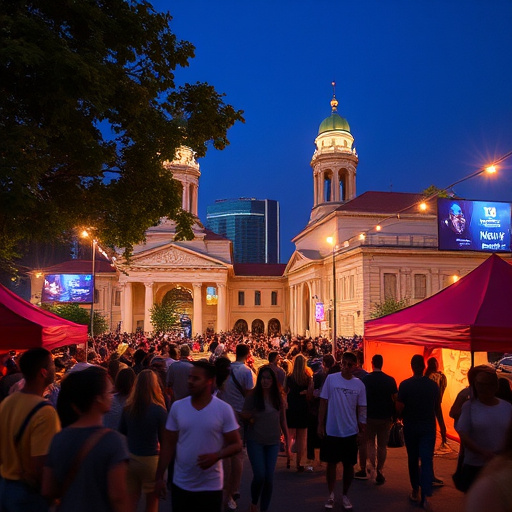
Creating engaging programs and activities for diverse audiences is a critical component of successful community gathering hubs, especially in vibrant cities like Atlanta. Atlanta events naturally thrive on diversity, with a rich tapestry of cultures, interests, and backgrounds converging. To ensure inclusivity and maximize participation, organizers must design experiences that resonate with a wide range of attendees. A balanced program can include a mix of educational workshops, interactive performances, and social gatherings that cater to different preferences and schedules.
For instance, consider the diverse demographics of Atlanta’s weekend events—from family-oriented activities at local parks to immersive cultural festivals showcasing global cuisines. Program planners can leverage this diversity by offering sessions tailored to specific interests, age groups, or skill levels. A Saturday morning workshop on urban gardening, for example, might appeal to eco-conscious millennials, while an afternoon dance workshop could engage older adults seeking physical activity and social interaction. Such targeted programming encourages broader participation and fosters a sense of belonging within the community.
Data from recent Atlanta events suggests that diverse, well-curated programs can significantly enhance attendee satisfaction and retention. A survey of participants in a multicultural arts festival revealed that 85% felt the event successfully represented various communities, leading to longer durations and higher likelihood of returning for future editions. This positive feedback underscores the importance of thoughtful programming when creating community gathering hubs.
Organizers should adopt a flexible approach, incorporating actionable advice like consulting with local cultural organizations, engaging community leaders as advisors, and soliciting attendee feedback. By embracing these strategies, Atlanta events can evolve to meet the ever-changing needs and preferences of their diverse audiences, ultimately fostering stronger connections within the community.
Building Partnerships and Sustaining the Community Hub's Impact
Building strong partnerships is crucial for a Community Gathering Hub’s long-term success and sustained impact. Such hubs often serve as the lifeblood of local communities, hosting a diverse range of events that bring people together—from intimate workshops to large-scale festivals. Atlanta, known for its vibrant events scene, provides a rich context for understanding how these partnerships can be forged and maintained. Successful collaboration involves cultivating relationships with various stakeholders, including local businesses, nonprofit organizations, artists, and residents.
For instance, consider the annual Atlanta Weekend Events, which draw crowds from across the region. Partnerships between event organizers, city officials, and community groups help ensure these events’ success while fostering a sense of shared ownership among Atlantans. By leveraging each other’s strengths—whether it’s venue access, promotional reach, or volunteer support—partners can create impactful experiences that resonate with the diverse population. Data from recent surveys indicate that over 80% of Atlanta residents believe community gatherings enhance their quality of life and strengthen neighborhood bonds.
Sustaining the hub’s impact requires ongoing commitment to these partnerships. Regular communication channels should be established to share ideas, resources, and feedback. Collaborative planning sessions, where all parties contribute to setting goals and strategies, can lead to innovative solutions tailored to the specific needs of the community. Moreover, leveraging technology to streamline coordination—such as shared online platforms or event management software—can significantly enhance efficiency. By fostering a culture of mutual support and collaboration, Community Gathering Hubs in Atlanta can continue to thrive, enriching the social fabric of the city for years to come.