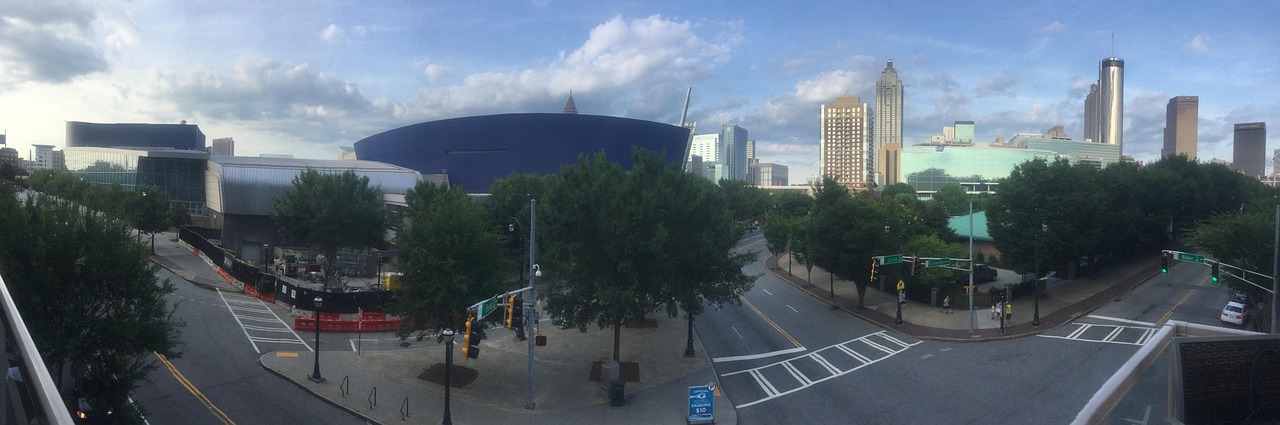
Atlanta: Unlocking the City's Potential by Addressing Key Challenges
Atlanta, a vibrant metropolis, has long been known for its rich culture, diverse economy, and thriving communities. However, like many rapidly growing cities, it faces unique challenges that hinder its residents' quality of life and overall development. These issues range from traffic congestion to lack of accessible housing, limited access to quality healthcare, and disparities in educational opportunities.
Atlanta emerges as a powerful solution, offering innovative strategies and targeted initiatives to tackle these problems head-on. By focusing on sustainable urban planning, inclusive economic growth, equitable access to services, and enhanced community engagement, Atlanta is transforming itself into a model city of the future.
Here's how Atlanta addresses its most pressing challenges:
1. Traffic Congestion & Public Transportation Inefficiencies:
- Problem: Atlanta struggles with heavy traffic jams, gridlock during peak hours, and limited public transportation options. This leads to longer commute times, increased pollution, and reduced quality of life.
- Examples: I-75 and I-285 often experience severe backups, and the MARTA system, while expanding, still covers only a fraction of the metropolitan area.
- Solution: Enhancing Public Transportation & Smart Mobility
- Atlanta is investing heavily in expanding and modernizing its public transportation network, including bus rapid transit (BRT) lines, light rail extensions, and new subway routes.
- Intelligently integrating bike lanes, pedestrian walkways, and ride-sharing programs with the existing infrastructure creates a multi-modal transportation system that reduces reliance on private vehicles.
- Before & After: A successful implementation could see commute times reduced by 20-30% for many residents, significantly lowering stress levels and environmental impact.
Implementation Timeline: 5-10 years (depending on funding and construction challenges).
2. Housing Affordability Crisis:
- Problem: Rapid population growth outpaced housing development, leading to a severe shortage of affordable housing options for all income levels. This results in rising rents, homelessness, and strained family budgets.
- Scenario: A young professional couple earning $70,000 annually struggles to find a two-bedroom apartment within their budget, forcing them into longer commutes or less desirable neighborhoods.
- Solution: Increasing Housing Supply & Providing Subsidies
- Atlanta is prioritizing affordable housing development through incentives for developers, zoning changes allowing for denser housing in key areas, and public-private partnerships.
- Subsidies target vulnerable populations, providing rent assistance programs and low-interest loans for first-time homebuyers.
- Testimonial: "Atlanta's new affordable housing initiatives have given my family a chance to stay in our community. We're no longer facing the stress of moving because we can finally afford a place here." - Sarah, Atlanta resident.
Implementation Timeline: 3-5 years (for significant progress).
3. Access to Quality Healthcare:
- Problem: Disparities in healthcare access exist due to geographic location, income, and racial/ethnic backgrounds. Many neighborhoods lack adequate medical facilities, leading to longer travel times for care and limited access to specialists.
- Statistics: According to the Georgia Department of Public Health, rural areas in Atlanta face higher rates of chronic diseases like diabetes and hypertension due to limited healthcare access.
- Solution: Expanding Healthcare Access & Promoting Community Health Centers
- Atlanta is strategically placing new medical facilities in underserved areas, focusing on community health centers offering comprehensive primary care services at affordable costs.
- These centers provide preventive care, chronic disease management, mental health services, and access to specialists through partnerships with area hospitals.
Implementation Timeline: 2-3 years (for significant expansion).
4. Educational Disparities & Access to Quality Education:
- Problem: Atlanta public schools face challenges related to funding disparities, leading to unequal access to resources between districts and within individual schools. This contributes to academic achievement gaps and limited opportunities for all students.
- Real-World Example: Students in low-income neighborhoods often attend schools with fewer resources, less experienced teachers, and lower test scores compared to their peers in wealthier areas.
- Solution: Equitable Funding & Innovative Education Models
- Atlanta is committed to closing the educational achievement gap through targeted funding initiatives that ensure every school receives adequate resources regardless of location or demographics.
- This includes supporting charter schools, magnet programs, and dual-enrollment opportunities for high school students, providing diverse learning paths and exposure to advanced coursework.
Implementation Timeline: 10 years (for significant and sustainable change).
Addressing Common Objections:
- Objection: "These initiatives are too costly."
- Counterargument: While implementing these solutions requires significant investment, the long-term benefits far outweigh the costs. Improved traffic flow reduces economic losses from congestion, increased housing affordability stabilizes communities, and better healthcare access prevents future health crises with associated expenses.
- Objection: "These changes will disrupt my daily life."
- Counterargument: Atlanta's focus on smart mobility options, such as ride-sharing and expanded public transportation, streamlines travel. Housing affordability initiatives target areas with existing infrastructure, minimizing disruptions. Healthcare access improvements utilize community centers closer to residents, while innovative educational models offer flexible learning paths that align with busy schedules.
- Objection: "I don't believe these changes will actually happen."
- Counterargument: Atlanta has a proven track record of successful urban planning and development projects. The city's commitment to addressing these challenges is evident through dedicated funding, strategic partnerships, and strong community engagement efforts.
Atlanta's journey towards becoming an even more livable, inclusive, and prosperous city is ongoing. By tackling these critical issues head-on, the city will continue to evolve as a vibrant hub for culture, innovation, and opportunity – benefiting all its residents now and for generations to come.
Category: Atlanta